Places · Halifax, Nova Scotia
Published
Why the British commander who burned Washington is buried in Halifax
Major-General Robert Ross died during the September 1814 campaign against Baltimore and was sent to British territory for burial. Halifax’s Old Burying Ground records his burial on September 29, 1814. His grave connects the city to the Washington campaign, within a cemetery holding many other early local histories.
Facts checked
In this story
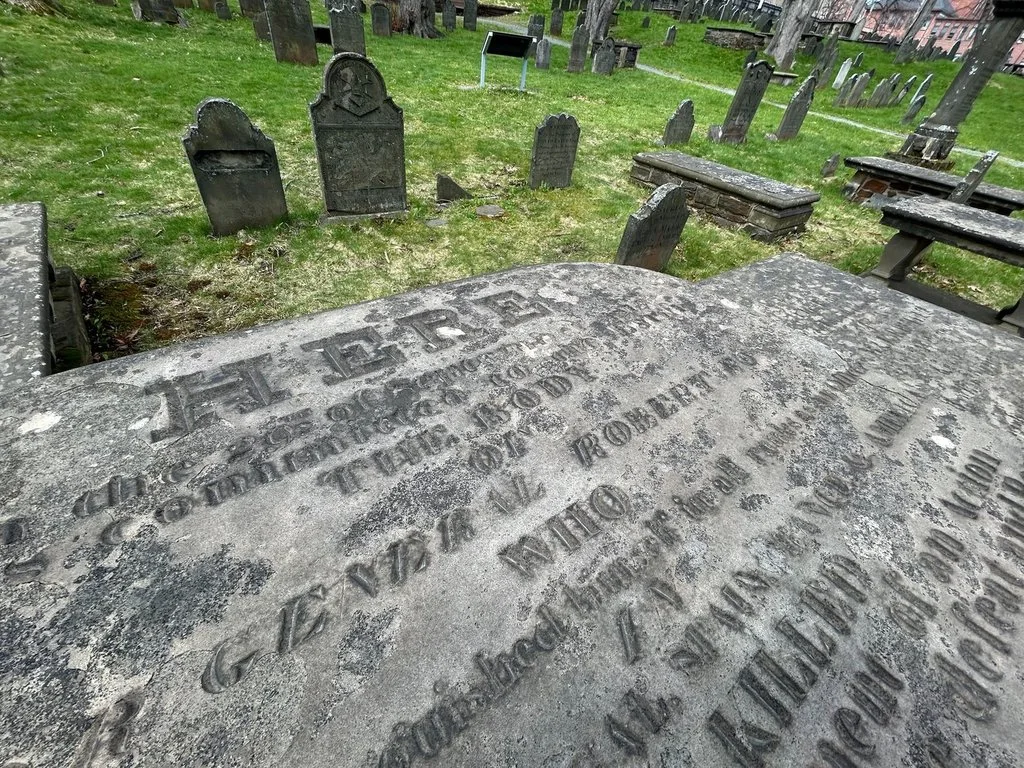
A Washington story ends at a Halifax gravestone
People who know that British troops burned Washington in 1814 can still be surprised by where their commander is buried. Major-General Robert Ross lies in Halifax’s Old Burying Ground, a long way from the public buildings his force set alight.
His death on September 12 during the Baltimore campaign came only weeks after the Washington operation. The National Park Service says his body was sent to Canada for burial in British territory. The local foundation records September 29,1814: stone 1122, map area 2 C.
The Halifax connection is real without making Ross a modern Canadian commander. He was a British officer whose last journey brought him to this city.
Source: U.S. National Park Service: Robert Ross biography
Source: Old Burying Ground Foundation: Major-General Robert Ross, burial record
Source: Tourism Nova Scotia: Old Burying Ground history and visitor information
The life before the familiar episode
Born in Rostrevor, Ireland, in 1766, Ross had served in the Napoleonic Wars before commanding experienced British troops on the American coast in 1814. The National Park Service’s biography supplies that longer career behind the name associated with Washington.
On August 24, his troops won at Bladensburg and entered the capital. The campaign was linked to retaliation for the earlier American burning of York. Ross ordered public buildings burned; the NPS account also describes orders to preserve private property.
The subsequent move toward Baltimore ended his role early on September 12. Those dates explain how a commander in the Washington story became an entry in a Halifax burial register within weeks.
Source: U.S. National Park Service: Robert Ross biography
Source: U.S. National Park Service: Battle of North Point
A famous name, among thousands of other lives
The grave drew fresh attention through an irreverent political note in a photograph, prompting surprise in Halifax’s local forum. The uploader did not claim to have taken the image. Modern wishes for violence are not needed to understand why the historical connection caught people’s interest.
The foundation’s index contains another Robert Ross with an earlier burial date. Use the major-general’s full record, stone and map reference rather than the first matching surname. Even here, a familiar name is not quite enough.
The cemetery was used from 1749 to 1844. Tourism Nova Scotia describes over 10,000 burials and about 1,200 surviving markers, with African Nova Scotian, Mi’kmaw, settler and military histories among them. Many people have no surviving individual stone. Ross is an entry point, not the whole place.
Source: Old Burying Ground Foundation: Major-General Robert Ross, burial record
Source: Tourism Nova Scotia: Old Burying Ground history and visitor information
Source: Old Burying Ground Foundation: 2026 opening and site history
Source: Note at General Ross’s grave, Halifax discussion, September 2026
Look beyond the commander
The address is 1460 Barrington Street. Admission is listed as free, donations welcome; the foundation publishes seasonal access information. Check before going and treat the markers as fragile records in a place of remembrance.
The military episode gives a visitor something specific to find. The surrounding ground gives a reason to slow down afterward, rather than collect a famous name and leave.
The surprising Halifax connection is worth knowing. So is the quieter fact that thousands of less familiar lives share the site, whether or not their names have survived on stone.
Source: Tourism Nova Scotia: Old Burying Ground history and visitor information
Source: Old Burying Ground Foundation: 2026 opening and site history
Source: Old Burying Ground Foundation: Major-General Robert Ross, burial record
Visit the cemetery, not just the famous name
Old Burying Ground
1460 Barrington Street, Halifax, Nova Scotia, Canada
Source: Tourism Nova Scotia: Old Burying Ground history and visitor information
Source: Tourism Nova Scotia: Old Burying Ground history and visitor information
More place details
Source: Compare these places in Resources
Source: Note at General Ross’s grave, Halifax discussion, September 2026
Questions people ask
Is General Robert Ross buried in Halifax?
The foundation lists Major-General Robert Ross in Halifax’s Old Burying Ground, distinguishing him from another person of the same name in its records.
Source: Old Burying Ground Foundation: Major-General Robert Ross, burial record
When was Major-General Ross buried?
His recorded burial date is September 29, 1814.
Source: Old Burying Ground Foundation: Major-General Robert Ross, burial record
Where is Ross’s grave within the cemetery?
The foundation identifies stone 1122 in map area 2C. Use its site map to find the correct record and location.
Source: Old Burying Ground Foundation: Major-General Robert Ross, burial record
Was Ross a Canadian general?
Ross commanded British troops. Calling him a commander of a modern Canadian army places him in a country and organization that did not yet exist.
Source: Tourism Nova Scotia: Old Burying Ground history and visitor information
What is his connection to Washington?
Tourism Nova Scotia identifies him with the orders to burn the White House and United States Capitol during the War of 1812.
Source: Tourism Nova Scotia: Old Burying Ground history and visitor information
Where is Halifax’s Old Burying Ground?
The visitor address is 1460 Barrington Street in downtown Halifax.
Source: Tourism Nova Scotia: Old Burying Ground history and visitor information
Does the cemetery charge admission?
Admission is listed as free, with donations welcomed. Check the foundation’s current seasonal opening notices before going.
Source: Tourism Nova Scotia: Old Burying Ground history and visitor information
When was Halifax’s Old Burying Ground used?
It opened in 1749 and closed to burials in 1844.
Source: Old Burying Ground Foundation: 2026 opening and site history
Where and when did Robert Ross die?
The National Park Service records his death on September 12, 1814, during the campaign against Baltimore. His body was then sent to British territory, and Halifax’s foundation records burial on September 29.
Source: U.S. National Park Service: Battle of North Point
How many grave markers are in the Old Burying Ground?
Nova Scotia’s visitor listing describes about 1,200 markers and more than 10,000 burials. Many people buried there do not have a surviving individual marker.
Source: Tourism Nova Scotia: Old Burying Ground history and visitor information
Something changed? Tell us about a correction.